
Your plumbing system works quietly behind the walls and beneath the ground, moving wastewater safely away from your home or commercial property. While most property owners think about drains inside the building, the sewer line is one of the most important parts of the entire system. Over time, buildup, debris, and external factors can affect its performance. This is why sewer line cleaning plays a crucial role in maintaining the long-term health of plumbing infrastructure.
Understanding the Role of the Sewer Line
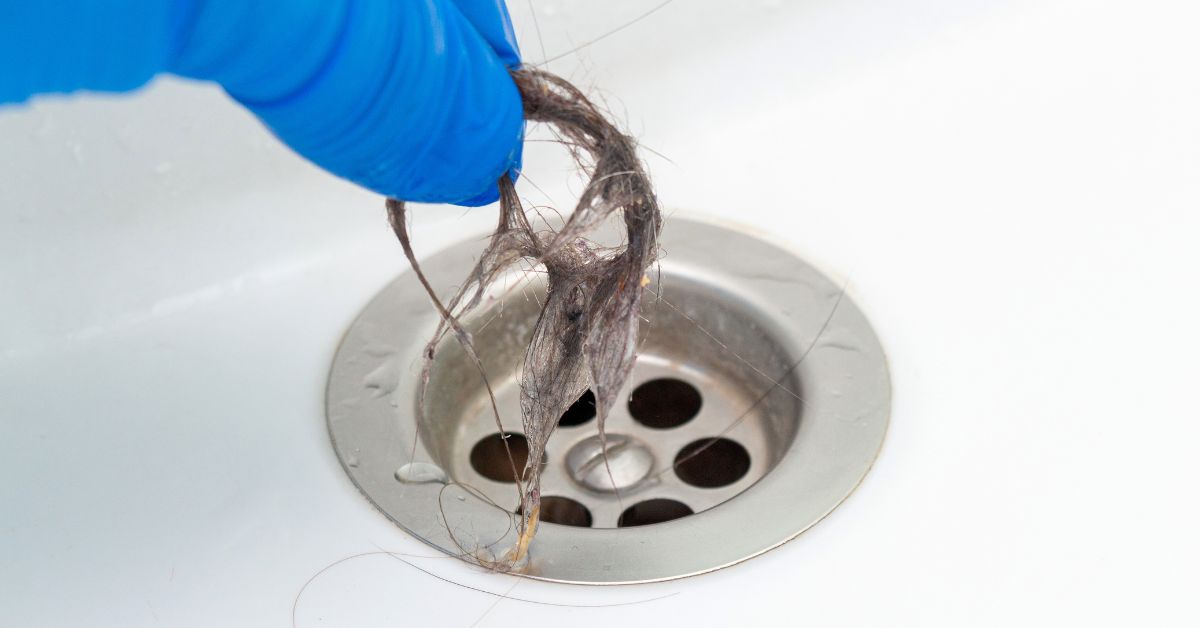
The sewer line is the main pipe that carries wastewater from sinks, toilets, showers, and appliances to the municipal sewer system or a septic tank. Because every drain in a building eventually leads to this line, it experiences constant use. Grease, soap residue, food particles, paper products, and other materials gradually accumulate inside the pipe.
Without regular cleaning, these substances can narrow the pipe’s interior diameter, restricting water flow and increasing the risk of clogs or backups.
How Buildup Forms in Sewer Lines
Many sewer line issues develop slowly over time. One of the most common causes is grease buildup, especially in kitchen drains. Grease may enter the pipes as a liquid but solidifies as it cools, sticking to pipe walls and trapping other debris.
Mineral deposits from hard water can also accumulate, creating scale along the interior surface of pipes. In outdoor sewer lines, tree roots are another common contributor. Roots naturally seek moisture and may grow into tiny cracks or joints in underground pipes, gradually expanding and causing blockages.
Regular sewer line cleaning helps remove these materials before they develop into severe obstructions.
Preventing Costly Plumbing Damage
When sewer lines become clogged or restricted, pressure can build inside the plumbing system. Over time, this pressure may strain pipes, weaken joints, and increase the likelihood of leaks or structural damage.
Routine sewer cleaning helps keep wastewater flowing efficiently, reducing stress on the plumbing system as a whole. Removing buildup also helps prevent corrosion and deterioration that could shorten the lifespan of pipes.
Addressing these issues early is often far less costly than repairing or replacing damaged sewer lines later.
Improving Drain Performance
One of the first signs of sewer line buildup is slow or inconsistent drainage throughout the property. Multiple fixtures draining slowly at the same time may indicate that the main sewer line is partially obstructed.
Cleaning the sewer line restores proper water flow and allows the plumbing system to function more efficiently. In many cases, professional cleaning techniques such as high-pressure water jetting can remove grease, sludge, and debris that standard drain cleaning tools cannot reach.
Supporting Long-Term Plumbing Reliability
Plumbing systems are designed to last for decades, but their longevity depends heavily on proper maintenance. Sewer line cleaning removes materials that gradually degrade pipes and contribute to recurring blockages.
By maintaining a clean sewer line, property owners can help protect the integrity of their plumbing infrastructure and reduce the likelihood of unexpected disruptions. Whether for residential or commercial properties, periodic sewer maintenance plays an important role in supporting a reliable wastewater system.
Understanding the value of sewer line cleaning allows homeowners and businesses to take a proactive approach to plumbing care—helping ensure that wastewater flows smoothly and plumbing systems continue operating efficiently for years to come.
.webp "Choosing a Licensed Plumber: Why Credentials and Experience Matter")



More Stories
Choosing a Licensed Plumber: Why Credentials and Experience Matter
Understanding Sewer Line Repair: Options and Considerations for Homeowners
How Replacement Windows and Doors Can Transform the Look of a Raleigh Home