
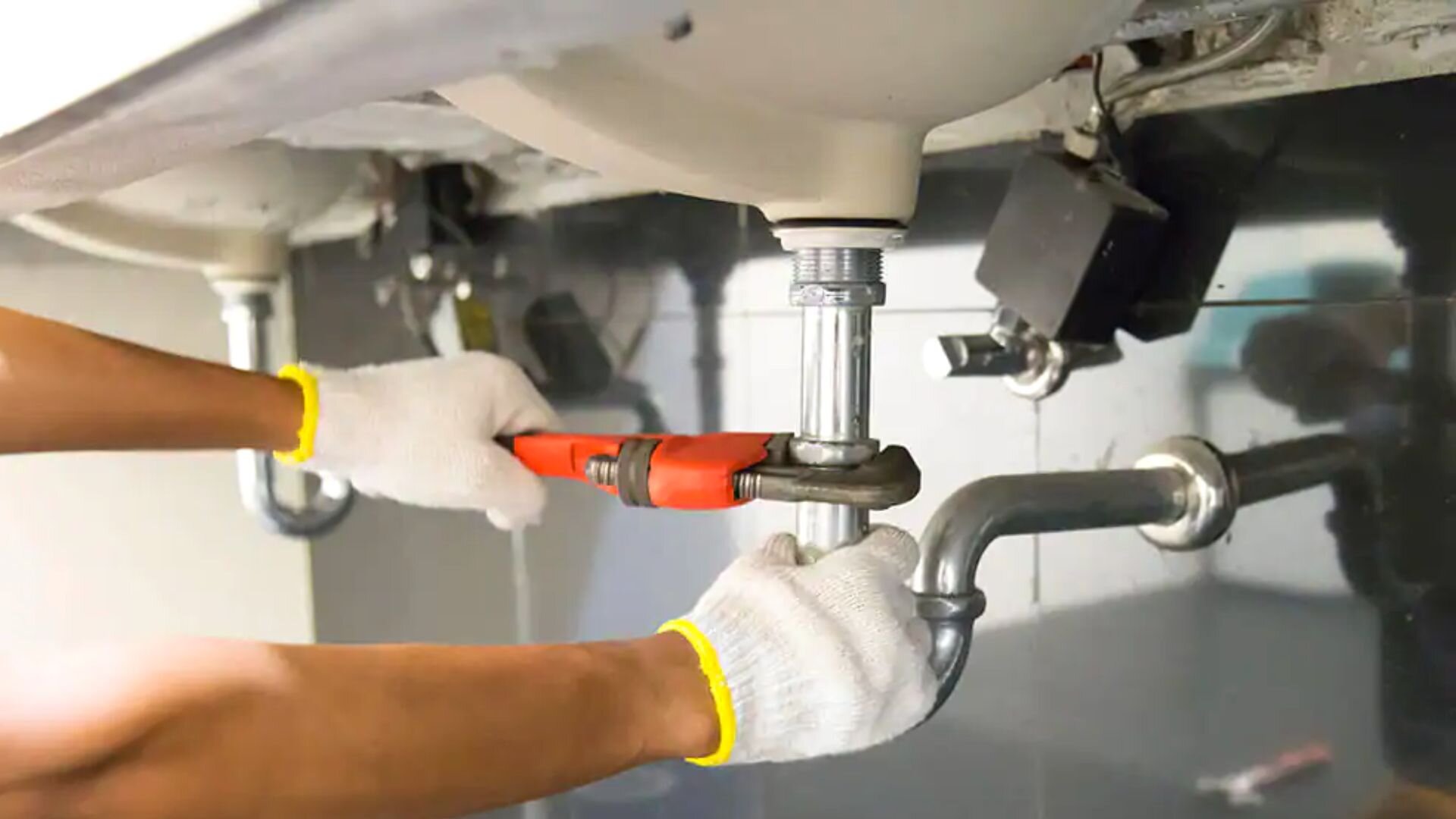
Your home is a sanctuary, but beneath its floors and behind its walls lies a complex network of pipes and fixtures that keep everything running smoothly. Most homeowners do not think about their plumbing until a faucet begins to leak or a drain refuses to clear. However, waiting for a crisis to occur is often the most expensive way to manage a household. Regular plumbing company maintenance is the key to preventing emergencies, saving money on utility bills, and ensuring the longevity of your home’s infrastructure. Understanding the ideal frequency for these checkups depends on several factors, but having a consistent schedule is non-negotiable for a healthy home.
The General Rule of Thumb
For the average residential property, a professional plumbing inspection should be scheduled once every year. This annual visit allows a licensed plumber to evaluate the entire system, from the water heater to the main sewer line. During a routine checkup, experts look for signs of wear that are invisible to the untrained eye, such as pinhole leaks in copper pipes or early stages of corrosion in older fittings.
An annual schedule is particularly effective because it aligns with the natural wear and tear of household appliances. For instance, water heaters accumulate sediment over the course of a year, which can lead to inefficient heating and eventual tank failure. By having a professional flush the tank annually, you ensure the unit operates at peak performance and lasts for its intended lifespan.
Factors That Require More Frequent Maintenance
While the once-a-year rule works for many, certain conditions demand a more aggressive maintenance schedule. If your home was built more than forty years ago, its pipes are likely reaching the end of their functional life. In older homes, scheduling a checkup every six months can prevent catastrophic pipe bursts. Galvanized steel pipes, often found in vintage houses, are notorious for rusting from the inside out, which can eventually lead to low water pressure and contaminated water.
The environment surrounding your home also plays a significant role. If your property is surrounded by large, mature trees, their roots may be seeking moisture from your underground sewer lines. Tree root intrusion is one of the leading causes of sewer backups and cracked external pipes. In such cases, having a plumber perform a camera inspection of your sewer lines twice a year can save you from the massive expense and headache of a full sewer line replacement.
The Role of Seasonal Maintenance
In addition to professional inspections, homeowners should adopt a seasonal mindset toward their plumbing. Different times of the year bring unique challenges to your pipes. As winter approaches, it is essential to insulate exposed pipes in crawlspaces or garages to prevent freezing. Before the spring rains arrive, testing your sump pump is a critical step to avoid a flooded basement.
Autumn is another crucial period for maintenance. This is the time to disconnect garden hoses and shut off outdoor water valves. Leaving a hose attached during a freeze can cause water to back up into the indoor pipes, leading to a burst. By performing these small DIY tasks every three months, you complement the work of your professional plumber and keep the system resilient against the elements.
Conclusion
Ultimately, the goal of plumbing maintenance is peace of mind. Knowing that your water heater is safe, your drains are clear, and your pipes are sturdy allows you to focus on enjoying your home rather than worrying about what might be happening behind the walls. By committing to an annual professional checkup and staying vigilant between visits, you ensure that your home remains a safe and comfortable environment for years to come.

.webp "Choosing a Licensed Plumber: Why Credentials and Experience Matter")

More Stories
Choosing a Licensed Plumber: Why Credentials and Experience Matter
Understanding Sewer Line Repair: Options and Considerations for Homeowners
How Replacement Windows and Doors Can Transform the Look of a Raleigh Home