
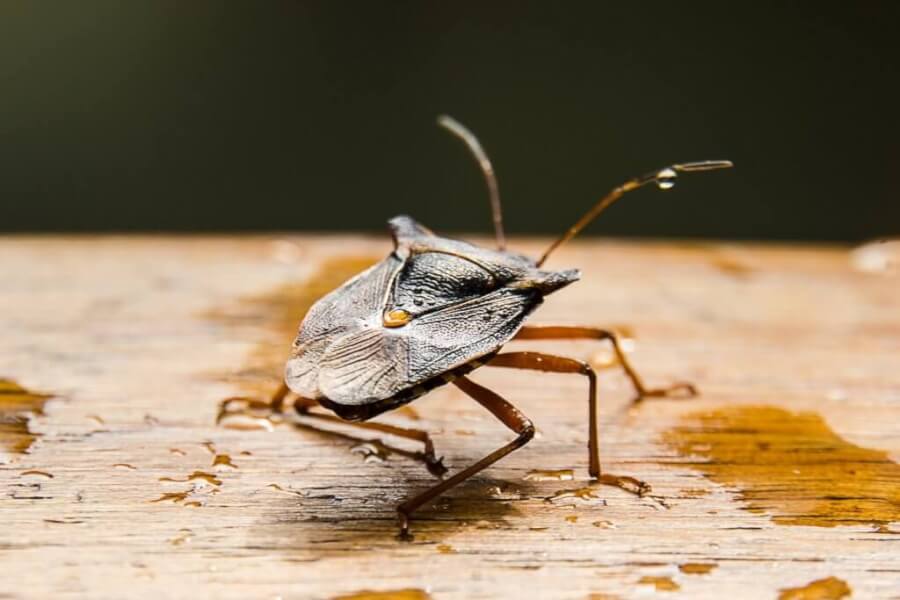
Missouri is home to a diverse range of insect species. While many of them are harmless, some can pose significant health risks and costly property damage. Understanding the types of Missouri bugs and insects, along with practical methods for their elimination and prevention, is vital for maintaining a comfortable living space. Read on to learn more.
Common Types of Bugs and Insects in Missouri
Different insects have varying behaviors, habitats, and impacts on our homes and health. Below are some of the most frequently encountered ones in the Missouri region.
- Ants: Various species of ants are common in Missouri, including carpenter and pavement ants. While carpenter ants can hollow out wood, pavement ants can contaminate food.
- Spiders: Missouri hosts a diverse range of spider species, from beneficial ones that help control other pests to those that pose a threat, such as the brown recluse and black widow.
- Cockroaches: The German cockroach is prevalent in Missouri homes, thriving in warm, humid environments. These pests multiply quickly, can contaminate food and surfaces, and trigger allergies and asthma.
- Termites: These can cause extensive damage to wooden structures, making them a significant concern. Early detection is key, as termites work silently, often going unnoticed until severe damage has been done.
- Stinging Insects: Bees, wasps, and hornets are common in Missouri during the warmer months. While these insects are essential for pollination, they can turn aggressive when their nests are disturbed.
- Bed Bugs: These small, elusive bugs have seen a resurgence across the United States, including Missouri. They are adept at hiding in mattresses, bedding, and furniture, and their bites can lead to itchy welts and discomfort.
- Mosquitoes: Mosquitoes are not just a nuisance; they may also transmit diseases such as the West Nile and Zika viruses. Missouri’s warm summers provide ideal breeding grounds for these insects, particularly near standing water.
Pest Elimination Methods
Eliminating pests can require a multi-pronged approach, depending on the type and severity of the infestation. Here are some effective strategies:
- Bait Stations: For ants and cockroaches, bait stations can be an effective solution. These are designed to attract pests, which then consume the bait and bring it back to their colonies to eliminate the problem at the source.
- Traps: Sticky traps are suitable for catching spiders and other crawling insects. Setting these in areas where activity is prevalent can help minimize their presence.
- Chemical Treatments: Pesticides are often used to eliminate various pests, including ants, roaches, and mosquitoes. When using this treatment, carefully follow the manufacturer’s instructions to ensure safety and effectiveness.
- Natural Remedies: For those seeking eco-friendly solutions, consider natural repellents. Essential oils, like peppermint and lavender, when mixed with water and sprayed around the home, can help deter certain insects.
- Professional Pest Control: If bug or insect problems become severe, seeking expert assistance can be beneficial. Pest control experts possess specialized knowledge and tools to address severe infestations and prevent future issues.
Pest Prevention Strategies
Preventing infestations is often more effective and less stressful than dealing with them after they arise. Here are practical steps to reduce the likelihood of bug or insect problems in your Missouri home:
- Maintain Cleanliness: Many insects, like ants and cockroaches, are attracted to food and clutter. Keeping your home clean and storing food in airtight containers, especially in the kitchen, can help deter these pests.
- Seal Entry Points: Inspect for gaps, cracks, or openings, particularly around doors, windows, and vents, where insects may enter. Sealing these entry points by caulking windows and using mesh screens can help keep pests out.
- Manage Landscaping: Trimming overgrown vegetation and keeping organic materials away from your home’s foundation can minimize potential habitats for pests, such as spiders and ants. Additionally, planting flowers and shrubs that deter insects, like marigolds and lavender, can add beauty while minimizing pest problems.
- Routine Inspections: Regularly check your home for signs of bugs and insects, such as droppings, shed skins, or damage. Early detection of pests can help you address the problem before it escalates into a significant infestation.
Understanding the types of bugs and insects that may invade your space, as well as effective eradication and prevention strategies, can help you maintain a pest-free environment. When in doubt, you can always contact a trusted pest control professional to save you time, stress, and ensure comfort and peace of mind year-round.

.webp "Choosing a Licensed Plumber: Why Credentials and Experience Matter")


More Stories
Choosing a Licensed Plumber: Why Credentials and Experience Matter
Understanding Sewer Line Repair: Options and Considerations for Homeowners
How Replacement Windows and Doors Can Transform the Look of a Raleigh Home