
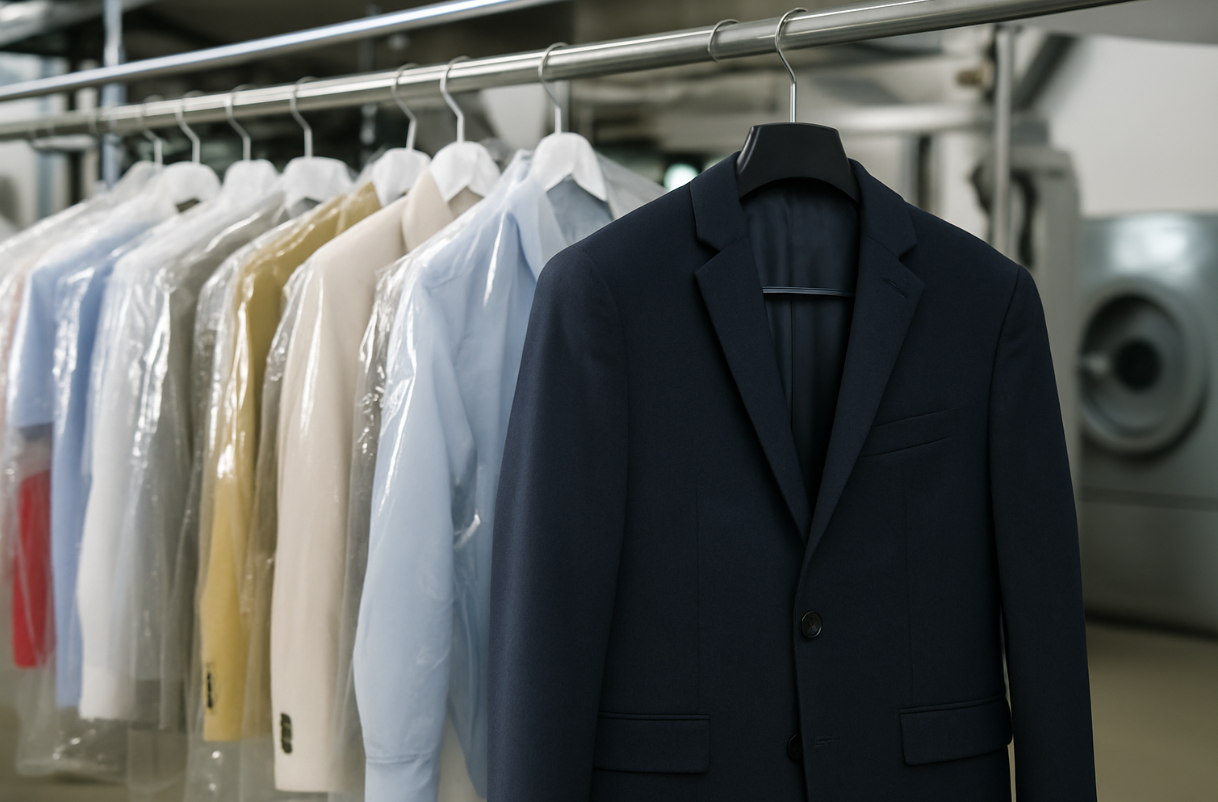
Some clothes need extra care. Silk, lace, satin, and other delicate fabrics look beautiful, but they’re also easy to damage if you’re not careful. Washing them the wrong way can lead to stretching, fading, or even tearing. Many people don’t realize they’re making small mistakes that ruin their favorite outfits.
Let’s talk about five common mistakes people make when washing delicate fabrics — and how you can avoid them.
1: Using Hot Water on Everything
Hot water can be useful for cleaning towels or cotton t-shirts. But when it comes to delicate materials, it’s usually a bad idea.
Heat causes some fabrics to shrink. Others may lose their shape or color. Silk, for example, is very sensitive to temperature. It can become stiff or even tear if washed in hot water.
This is what to do instead:
Always check the care label. If it says “cold wash” or “cool water,” follow that. Use lukewarm or cold water for the most delicate clothes. It helps protect the fabric and keeps the item looking new.
Mistake 2: Using Regular Detergent
Most people use the same detergent for everything. That works for jeans or towels, but not for fragile materials. Strong detergents can be too harsh for delicate fabrics. They can wear out the fibers and cause fading or a rough texture.
This is what to do instead:
Use a gentle or fabric-specific detergent. These products are made for silks, laces, and fine cottons. They clean without being too strong. You’ll notice your clothes feel softer and last longer.
3: Skipping the Hand Wash or Delicate Cycle
Delicate fabrics don’t like rough treatment. Washing them on a regular cycle can cause damage. Items twist, rub, and stretch in a full-speed wash, which is bad for fragile pieces.
This is what to do instead:
If the label suggests hand washing, do it. Use a bucket or sink, add cool water and mild detergent, then gently move the fabric around. Don’t scrub or wring it out.
If you use a machine, choose the “delicate” or “gentle” cycle. Place the item inside a mesh laundry bag for extra protection. That way, your clothing stays safe during the spin.
4: Wringing or Twisting the Fabric
One of the biggest mistakes people make is twisting wet fabric to remove water. It feels natural, but it’s not good for delicate materials. Twisting can stretch the fibers, pull seams, and leave wrinkles that don’t go away.
This is what to do instead:
After rinsing, gently press the fabric between two towels to absorb extra water. Then lay it flat to dry on a clean, dry surface. Some fabrics can also hang to dry, but be careful — wet items can stretch under their own weight.
5: Not Knowing When to Call the Experts
Some items are just too delicate to risk washing at home. This includes structured garments, embroidered pieces, and fabrics like velvet or chiffon. Trying to wash them yourself can lead to damage that can’t be fixed.
Still, many people try anyway, thinking it’ll save time or money.
This is what to do instead:
If you’re unsure, ask for help. There are experts who know exactly how to treat different fabrics. Services that offer dry cleaning in Dubai use advanced methods to clean without causing harm. Your special items will come back looking fresh and wrinkle-free — no guesswork needed.
Why It’s Important to Read Labels?
Every fabric is different. The care label on your clothes tells you everything you need to know: how to wash it, what temperature to use, and whether it should be ironed.
Ignoring the label is one of the easiest ways to ruin a delicate item. It only takes a few seconds to check, but it saves you from big mistakes.
Don’t Forget About Proper Storage
Once your delicate items are clean, storing them the right way also matters. Never stuff them into a tight drawer. That can cause wrinkles or snags. Don’t hang items that may stretch, like knits or heavy silks.
Tips for storing delicate fabrics:
- Fold them neatly
- Use acid-free tissue paper
- Store in a breathable bag or cotton cover
- Keep away from direct sunlight
This helps protect your clothes between wears and washes.
Learning the Basics of Fabric Care
Many people don’t fully understand what dry cleaning is or why it matters. It’s a method of cleaning clothes without water. Instead, professionals use safe cleaning solvents that are gentle on fabric and effective against stains.
Dry cleaning is often the best choice for expensive or detailed clothing. It keeps fabric shape, removes stains, and leaves garments looking polished. It’s also helpful when dealing with delicate items that you’re too nervous to wash on your own.
How Does The Laundry Hub Help?
When it comes to caring for delicate fabrics, The Laundry Hub is a trusted name in the UAE. Their team handles clothing with care, whether it’s a wedding dress, silk shirt, or formal wear. From standard cleaning to dry cleaning and ironing, they’ve got the tools and knowledge to do it right.
If you need reliable care for your clothing, visit this link to explore their full range of services. They even offer pickup and delivery, making it easy for you to manage laundry with zero hassle.
FAQs
1. Can I wash delicate clothes with my regular laundry?
It’s not recommended. Delicate fabrics should be washed separately using a gentle cycle or by hand. Mixing them with heavier items like jeans or towels can cause damage during the wash.
2. How often should I dry clean delicate clothing?
It depends on how often you wear them. For special occasion outfits, once every few uses is enough. Always check the care label or ask a professional if you’re unsure.
3. Can I use fabric softener on silk or lace?
No. Fabric softeners can coat delicate fibers and affect texture. It’s best to skip them and use cold water with mild detergent instead.
4. Is air drying better than machine drying for delicate fabrics?
Yes. Air drying is gentler and helps keep the fabric in shape. Machine drying can shrink or damage delicate materials, even on low heat settings.
5. What’s the safest way to get wrinkles out of delicate fabrics?
Use a handheld steamer at a safe distance. Avoid direct contact with hot irons. If steaming isn’t an option, hang the item in a steamy bathroom to help loosen wrinkles gently.

.webp "Choosing a Licensed Plumber: Why Credentials and Experience Matter")


More Stories
Choosing a Licensed Plumber: Why Credentials and Experience Matter
Understanding Sewer Line Repair: Options and Considerations for Homeowners
How Replacement Windows and Doors Can Transform the Look of a Raleigh Home