
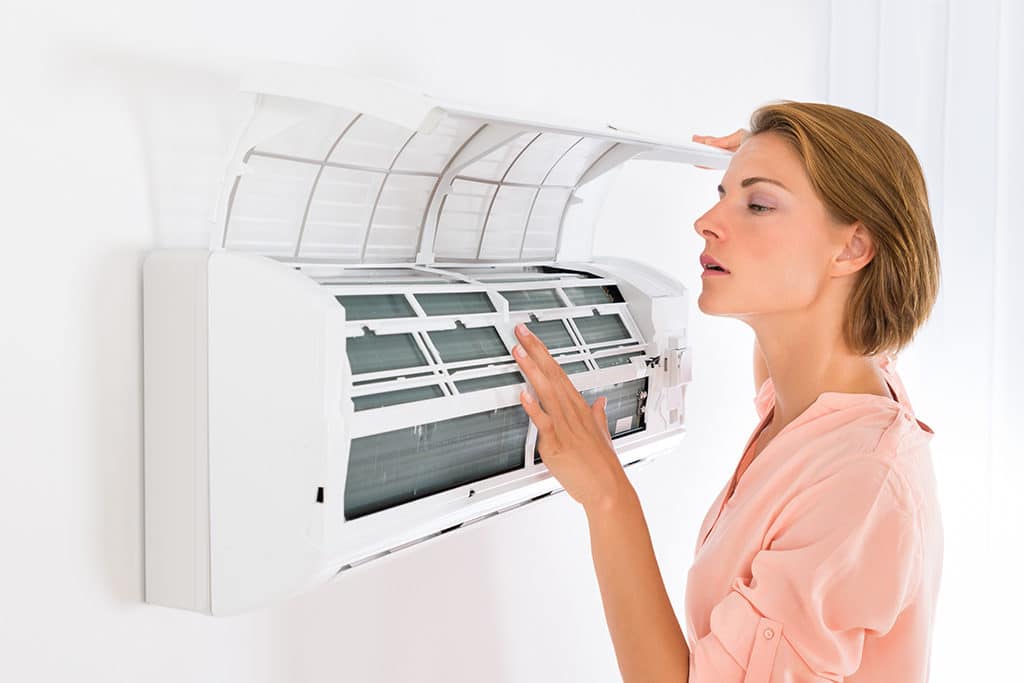
The air conditioner (A/C) is a necessity in every home, as it helps you keep cool year-round, especially when the weather’s hot and humid. It also offers other benefits, such as improved indoor air quality and reduced allergens, increasing overall comfort.
That said, encountering problems with your A/C can be inconvenient and troublesome. So, it can help to learn about some signs you need air conditioning repair and tips on how to solve them. Here’s what you need to know:
Signs Your Air Conditioning Needs Repairs
Addressing A/C problems promptly can prevent them from worsening and requiring more significant and costly repairs. Still, not all air conditioning issues are immediately evident or easily noticeable. To help you, read on for some signs to watch out for.
- Warm Air: Your air conditioning should not blow warm air unless you’ve set it to the warmest temperature. When this happens, the first thing you should do is check the thermostat. If it’s already set to cool or you adjust it without seeing any changes in air temperature, your compressor or condenser might need replacing.
- Unusual Noises: While it’s normal for your A/C to make noise while running, they should not be making unusual sounds. Loud banging, buzzing, or screeching noises could indicate a loose or damaged component that could cause further damage if left unaddressed.
- Frequent Cycles: Air conditioners typically have set cycles to maintain comfortable indoor temperatures. However, it should be a cause for concern when it turns on and off too frequently. This issue may result from low refrigerant levels or dirty evaporator coils, which require help from a technician.
- Refrigerant Leak: The refrigerant is a fluid responsible for your A/C’s cooling, so condensation can be expected when operating. Leaks, however, shouldn’t occur, as they can affect your unit’s functionality. Wear and tear and improper installation are some common causes of leaking refrigerant.
How to Repair Your Air Conditioning Unit
If you encounter problems with your A/C, there are some ways you can troubleshoot and solve them yourself. Below are some helpful tips:
- Check Your Breaker: When your A/C suddenly stops working or won’t turn on, your circuit breaker is one of the first things to check. Inspect your breaker panel to see if there’s a blown fuse due to overloading. If you tried switching it back on and it doesn’t work, you’ll likely need a replacement.
- Test Your Thermostat: Sometimes, your thermostat may cause heating and cooling issues, so it’s best to check it if your A/C turns off unexpectedly or your indoor temperatures are insufficient. It may have lost power, adjusted incorrectly, or malfunctioned due to loose or faulty wiring. If calibrating the thermostat or replacing the battery doesn’t work, call an expert.
- Clean or Replace Filters: Dirty air filters can cause clogs and obstruct proper airflow, hindering your air conditioner’s efficiency and affecting indoor air quality. Cleaning or replacing your filters can solve this issue. Regularly doing this helps maintain your unit’s optimal performance and lengthen its lifespan.
- Inspect Your Outdoor Unit: When indoor components aren’t the culprit for your A/C problem, check your outdoor system. Dirt, leaves, and twigs may build up in it, blocking crucial components and impacting functionality. You can use a garden hose to clean your unit gently. Removing nearby vegetation and keeping the area free from grass and other debris can also prevent similar issues.
- Call a Licensed Professional: If you’ve tried fixing your A/C by yourself to no avail or want someone with more experience to do it for you, call a technician. Leaving the job up to a professional helps ensure accurate diagnoses and safe and efficient repairs, keeping your system healthy for longer.
Contact an Air Conditioning Technician Today
With these air conditioning repair tips and tricks, you can better handle potential issues with your unit. Efficient repairs not only solve current problems but also prevent future recurrences and lengthen your A/C’s lifespan. That said, while DIY solutions can be helpful, getting professional services can make a huge difference. Talk to a trusted air conditioning technician for a thorough inspection and reliable repair and maintenance.

.webp "Choosing a Licensed Plumber: Why Credentials and Experience Matter")

More Stories
Choosing a Licensed Plumber: Why Credentials and Experience Matter
Understanding Sewer Line Repair: Options and Considerations for Homeowners
How Replacement Windows and Doors Can Transform the Look of a Raleigh Home