
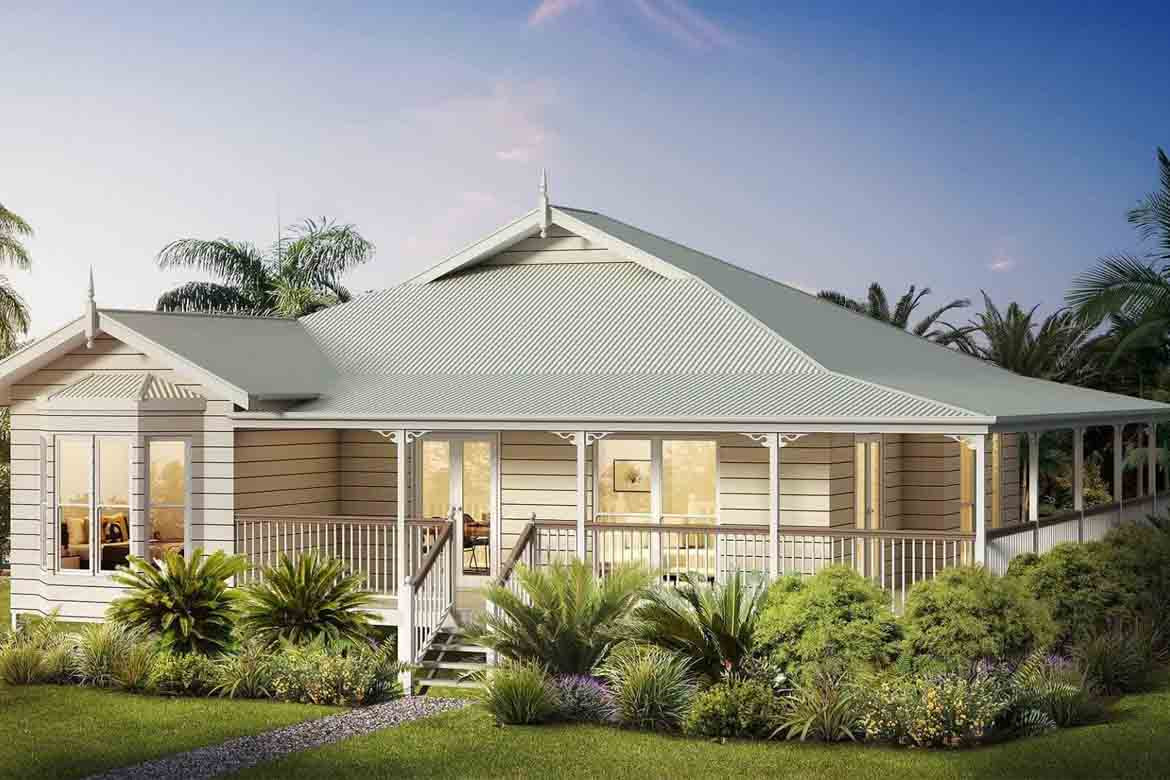
6 Important Factors to Consider When Buying Kit Homes
Kit homes have been a game changer for homebuyers. This option has provided people with a cost-effective and convenient alternative to building custom houses from the ground up. Homeownership, once a far-fetched dream for some, has become a reality.
Today, many of these kit homes are readily available on the market, making shopping around exciting. Before you get started, consider these six factors in mind so you’ll find kit home house plans that suit your needs.
- Location
Site preparation is crucial for every building project, regardless of whether you’re going the traditional construction or the kit home route. It’s important to consider where you’re building your house and make sure the land is cleared, graded, and leveled. Doing this ensures your property is compliant with the local building code and zoning regulations, preventing potential legal issues down the line.
Since the pre-cut materials will be delivered directly to the building site, you also need to consider if the location is accessible to delivery trucks. The roads to the site should have enough space for a freight truck to pass through and safely transport items.
- Materials
While it’s understandable that quality materials can be expensive and some homebuyers might want to cut corners, it shouldn’t be at the expense of your home’s functionality, durability, and safety. If you’re shopping for kit homes, it’s essential to be mindful of the quality of pre-cut components included in the package.
Research what the walls, trusses, floors, and roofs are made of and how they fare during severe weather conditions or natural disasters. This way, you can compare suppliers and choose one that uses materials that are up to par with building standards.
- Budget and Payment Schemes
How much is a kit home? While it’s a more inexpensive option than traditional construction, the answer depends on various factors, including the manufacturer, the home’s size and layout, the materials used, its design, and other customizations.
In addition, you need to factor in the costs for land purchasing, site preparation, and setting up utilities. It’s best to plot all expenses before making a purchase to ensure everything is accounted for. Some builders also offer financing options to help lower costs for homebuyers. If you apply to these programs, explore your options and see which suits you.
- Builder
Aside from being an affordable alternative, kit homes appeal to homebuyers because you can build them yourself. This option is perfect for those with the time and handyman skills to pursue a DIY project. On the other hand, you also have the option to hire a builder who can do all the work for you.
Cost-wise, going the DIY route is less expensive, but it also comes with risks, especially if one is inexperienced in doing construction projects. Hiring a builder can be pricier, but they have a whole team of experienced professionals who can finish the job on time and with little to no mistakes. There is no right or wrong choice, but it’s essential to weigh your options and go with what best suits your situation.
- Design and Customization Options
Your house is where you and your family spend most of your time together. It’s not just another building on the block; it must look and feel like home. While most pre-cut homes are ready to build, most companies still leave room for customization for homebuyers.
Before you talk to manufacturers, consider the additional features you’d want in your new house. Do you have a specific theme or color scheme in mind? Would you like an additional room or garage? Asking yourself these questions will help you tailor your home’s design to your preferences and create a budget for the extra costs of these add-ons.
- Warranties
While no one wants to encounter issues with their kit homes, sometimes the inevitable happens. Thankfully, warranties can protect you and your property from these unforeseen circumstances and expenses.
Before you make a purchase, ask if the manufacturer offers warranties. Go through the terms and conditions thoroughly and take note of the claiming process so you’ll know what to do in case an issue arises.
Buying your new kit home is an endeavor that shouldn’t be done hastily. With research and careful planning, you’ll be able to find a manufacturer that can help you build a home that you can proudly call your own.


More Stories
Understanding Sewer Line Repair: Options and Considerations for Homeowners
How Replacement Windows and Doors Can Transform the Look of a Raleigh Home
Tips to Compare Roofing Contractors in Oviedo FL Before Hiring