
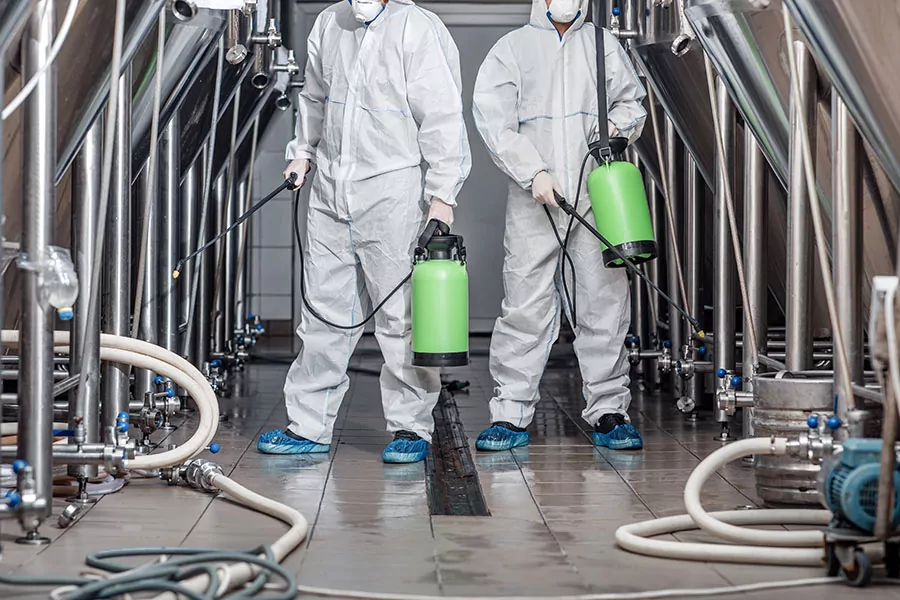
GMP cleaning services have become essential for companies that operate within regulated industries. Whether manufacturing pharmaceuticals, processing food, or producing medical devices, strict compliance with Good Manufacturing Practices is critical. Cleaning procedures are not just about sanitation—they are directly tied to product safety, regulatory approval, and consumer trust. A facility that implements GMP cleaning services consistently demonstrates its commitment to both operational excellence and public health.
In environments where contamination could lead to product recalls or health risks, every surface, process, and protocol matters. GMP, or Good Manufacturing Practice, is a regulatory framework that governs the conditions and procedures required to ensure high-quality manufacturing. Cleaning is a major component of these standards. It is not enough to keep spaces visibly clean; the cleaning must be scientifically validated, meticulously documented, and reproducibly effective.
GMP cleaning services go beyond basic janitorial work. They involve trained personnel, specialized equipment, and procedures developed in accordance with regulatory guidelines from agencies like the FDA or EMA. These services ensure that the risk of cross-contamination, microbial growth, or particulate matter is minimized in facilities that demand consistent sterility or cleanliness. Without proper GMP-compliant cleaning, even a high-tech manufacturing environment can become compromised.
Why GMP Compliance Is More Than a Regulatory Obligation
Maintaining GMP compliance is often viewed as a legal necessity, but it is just as much about protecting products and preserving brand integrity. GMP cleaning services help ensure that manufactured goods meet quality specifications with every batch. The cleaning protocols are part of a much larger system of risk control, quality assurance, and product traceability that supports the integrity of the production cycle from beginning to end.
When companies adhere to GMP cleaning protocols, they reduce the chance of unintentional contamination that could otherwise lead to costly shutdowns, failed inspections, or recalls. These disruptions not only cause financial strain but can also erode confidence in the brand. Consumers expect consistency and safety in the products they use, particularly when those products relate to health, nutrition, or personal care. Cleanliness is not just a behind-the-scenes operation; it influences public perception and market success.
Regulatory audits are an unavoidable part of doing business in these sectors, and cleanliness is one of the first areas examined. Facilities that work with qualified GMP cleaning services typically have well-documented procedures, cleaning logs, and validation reports ready to present. This preparation allows companies to move through audits with minimal friction, avoiding corrective actions or warning letters. It also positions them as reliable partners for clients who prioritize quality assurance when choosing manufacturers or suppliers.
Furthermore, when processes are scaled or transferred, having a consistent cleaning framework supports repeatability. This becomes particularly important for companies expanding to new markets or introducing new product lines. GMP cleaning services ensure that the foundational hygiene practices remain steady, no matter how complex or fast-paced the production environment becomes.
Core Elements That Distinguish GMP Cleaning Services
GMP cleaning services are rooted in precision, traceability, and adherence to validated processes. Unlike conventional cleaning companies, these service providers must be fluent in industry-specific requirements and terminology. Their teams are trained to understand the types of contamination risks present in cleanrooms, laboratories, and production areas. They also operate according to Standard Operating Procedures (SOPs) that have been developed and approved by quality assurance professionals.
Each GMP cleaning task is executed and recorded according to a specific schedule and scope. This documentation includes information on what was cleaned, when it was cleaned, what agents were used, and which personnel performed the task. Some cleaning cycles are conducted daily, while others occur weekly, monthly, or according to event-driven triggers such as maintenance or product changeover. These frequencies are determined during the validation process and are tailored to the needs of each environment.
Another distinguishing factor is the use of cleaning agents and tools approved for regulated spaces. GMP cleaning services do not rely on generic or untested chemicals. Instead, they utilize disinfectants, detergents, and materials that meet USP, FDA, or ISO standards. Tools such as lint-free wipes, HEPA-filter vacuums, and sterile mops are selected to minimize the introduction of particulates or fibers that could compromise product integrity.
Cross-contamination prevention is central to the structure of any GMP cleaning program. Service providers use color-coded tools, zone-based cleaning sequences, and validated equipment sanitization protocols. This structured approach limits the chance of transferring contaminants from one area to another, especially in facilities with high-sensitivity zones like aseptic filling rooms or Class 100 cleanrooms. These procedures are supported by environmental monitoring programs that verify cleanliness through microbial testing and particle counts.
Industries That Rely Heavily on GMP-Compliant Services
Several industries cannot operate safely or legally without the support of GMP cleaning services. In pharmaceutical manufacturing, surfaces must be regularly cleaned and disinfected to meet the environmental requirements of controlled rooms. Any deviation from validated cleaning can compromise product sterility or introduce chemical residues that affect active ingredients. In such settings, the consequences of inadequate cleaning can be life-threatening, particularly for injectable drugs or medications intended for immunocompromised patients.
Medical device manufacturers face similar expectations. Whether producing surgical instruments, diagnostic tools, or implantable components, these companies rely on GMP cleaning services to prepare sterile environments and prevent bioburden. Cleanliness extends beyond production floors to include equipment storage, packaging zones, and quality control labs. Each area must meet its own cleanliness standards, which are strictly enforced during regulatory inspections.
Food and beverage companies also rely on these services to prevent spoilage and meet food safety standards. Even though the regulatory framework may fall under HACCP or FSMA rather than pharmaceutical GMP, the cleaning expectations are no less stringent. GMP-style cleaning providers are often the preferred partners in ready-to-eat processing plants, dairy facilities, or nutraceutical operations, where contamination can cause widespread health issues and rapid brand deterioration.
In cosmetics and personal care manufacturing, GMP cleaning services help prevent contamination from colorants, fragrances, or active compounds used in formulation. These facilities require attention to both microbial control and allergen cross-contact. Proper cleaning is essential not only for regulatory compliance but for consumer safety and satisfaction.
Professionalism and Accountability in GMP-Certified Environments
The personnel behind GMP cleaning services are trained professionals who understand that their work directly impacts human health and product quality. Unlike routine cleaning crews, these individuals are educated in aseptic techniques, contamination control, and regulatory expectations. Their training is ongoing, with regular assessments and updates to keep pace with changes in regulation or technology.
Accountability is built into every level of the service. Supervisors conduct checks to ensure protocols are followed precisely. Quality assurance teams review cleaning logs and investigate deviations. Service contracts often include performance metrics, audit support, and flexible scopes that adapt to facility needs. Providers must not only execute cleaning tasks—they must also participate in quality systems that validate and verify results.
Facilities that outsource GMP cleaning benefit from this layer of expertise and reliability. It reduces the training burden on internal staff and ensures that cleanliness does not become a variable in production or compliance outcomes. These services operate as strategic partners, bringing specialized knowledge and tools that protect both product and reputation.

.webp "Choosing a Licensed Plumber: Why Credentials and Experience Matter")


More Stories
Choosing a Licensed Plumber: Why Credentials and Experience Matter
Understanding Sewer Line Repair: Options and Considerations for Homeowners
How Replacement Windows and Doors Can Transform the Look of a Raleigh Home